
How People Change
Lessons from Addiction Treatment

When I started my recovery journey as a teen, both my parents and I thought going away to “treatment” was going to be like taking an antibiotic. Take one pill in the morning with food and by the end of the 10-day treatment, you will be cured.

Well, it does not really work that way, as we know today from the science and from experience. Just like many illnesses are becoming “antibiotic resistant.” Treatment is not always a one-and-done approach to wellness. It is also no longer seen as the only way to begin or sustain lasting change.
There are many options for treatment and recovery support that can be individualized based on what we need.
We also know that part of the longevity of the journey (remember, it’s a marathon and not a sprint), can be acknowledging that substance use may be just one small part of what needs healing, what needs change.
Along with addressing substance use and misuse, is a need for our loved ones to go deeper in their healing. To dig into root causes. To address mental and physical health. As mentioned earlier, our loved ones also need to practice change.
Change isn’t a decision, it’s a way of life.
The Practice Change Theory is one that I’ve developed and is one way to think about change. It is one way to think about how to support a sustained recovery for our loved ones, even if recurrence of use is a part of what our family experiences together. The loop centers on these main areas:
Practice Change Theory
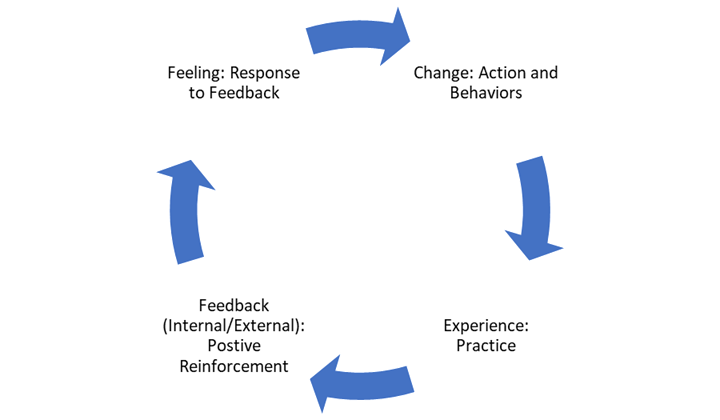
This is how change can happen in the recovery process. It begins with an action of change (e.g., stopping opioid use or beginning therapy for depression and anxiety), moves to practicing this change (and giving your brain time to get used to the new behaviors), getting positive feedback and reinforcement from loved ones for new actions and behaviors, and having an emotional response to this reinforcement (e.g., increased self-confidence, feelings of value and worth).
So, if this is how change happens, how can families and loved ones be involved in supporting this change?
First, it is helpful to think about change in the context of our own lives too. Regardless if we can identify with the addiction part or problematic substance use part of our loved one’s journey or not, we can identify with the need for change and the process for going through it in innumerable areas of our lives.
Whether our change is a diet, a habit, adding a hobby, moving, beginning or leaving a relationship, entering or leaving a life stage like retirement, or college, if you are breathing, you’ve gone through a significant change at some point in your life. Thinking back to some of the feelings associated with any change can help us have empathy for our loved one’s experience. Change can be hard and change can take time.
You can reflect and ask yourself:
· What helped you feel ready to make a change?
· What motivated you to take action?
· How did it feel right before you were about to make a change? Were you excited? Anxious? Fearful? Ambivalent?
· Was the change sudden or gradual?
· Did the change go as planned or were there delays in the process that you didn’t expect?
· Did you have support? If not, what was it like to go through the process alone? If yes, what was it like to have a support system during the change?
When we love someone in recovery, we can recognize that their experience of change can be challenging too.
Even if the specifics are different, we can come from a place of compassion and empathy. To be human is to struggle with change. To be human is to need others to not only understand what we are going through, to be seen and heard, but to be supported along the way.
*
How have you experienced change?
Have you been a part of supporting others along the journey?
How has your relationship with ‘change’ shifted over time?
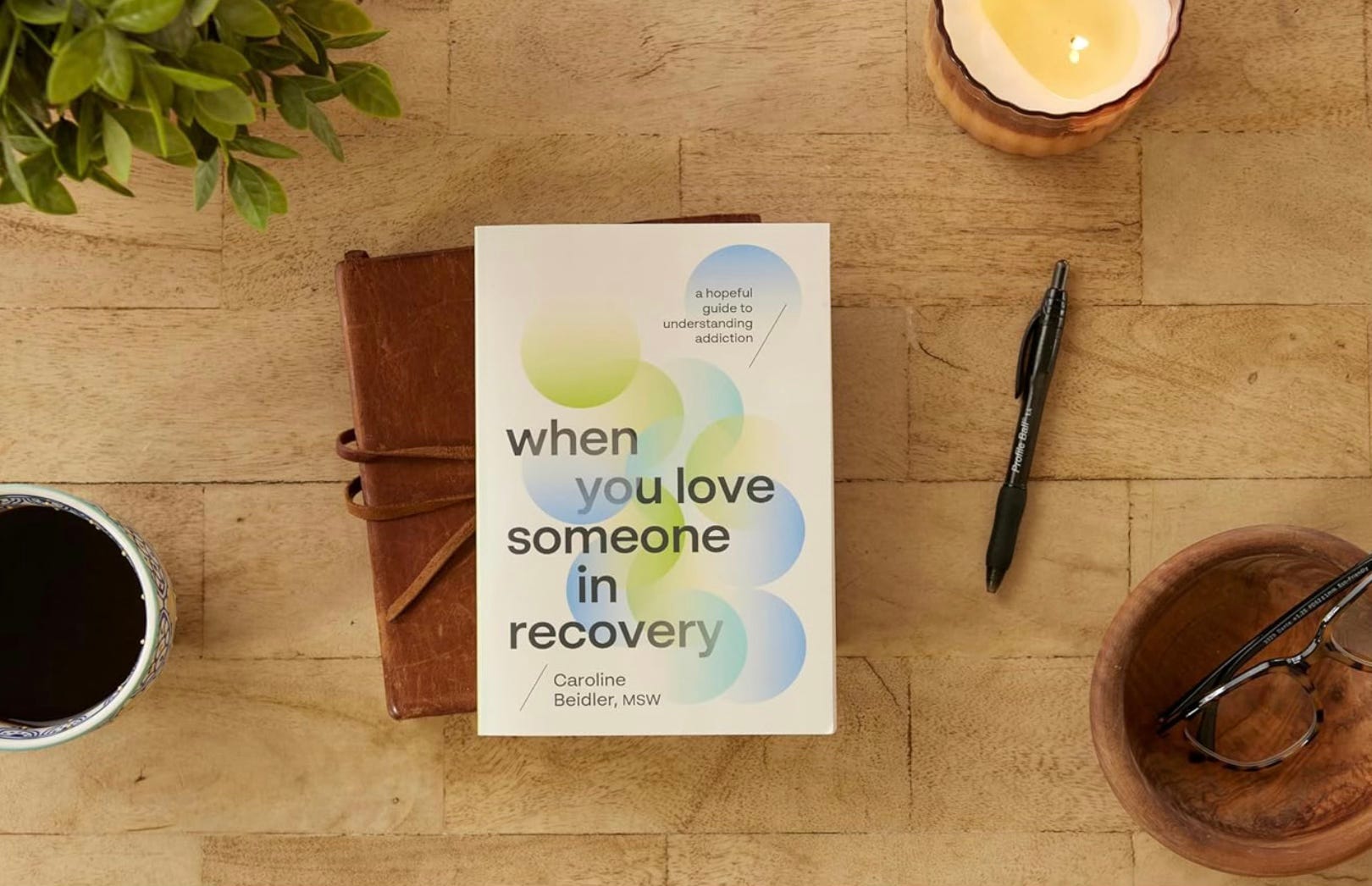
If you’d like to learn more about addiction recovery and practicing change, get my new book today! It’s officially available anywhere you buy books (I’m SO EXCITED TO BE ABLE TO FINALLY SAY THIS!!!) Get your copy or give your copy to someone who loves you today.
This really hits.
The hardest part for me wasn’t the decision to quit.
It was staying in the process when nothing seemed to change and there was no immediate reward.
That phase where you have to repeat the change over and over until it becomes natural — that’s where it breaks or holds.
And I agree it’s not just about alcohol.
A lot of what I had to change didn’t even look related to drinking at first.
I’ve enjoyed reading and subscribed; please check out my many articles and subscribe if it feels right to you; I love writing about motherhood, parenting, addiction, recovery, spiritual growth, LGBTIA topics, medicine and mental health, and transformation and integration as we make art of our lives in this very human journey. Ruth
https://mommaslikeus2026.substack.com/p/what-remains?utm_campaign=post-expanded-share&utm_medium=web